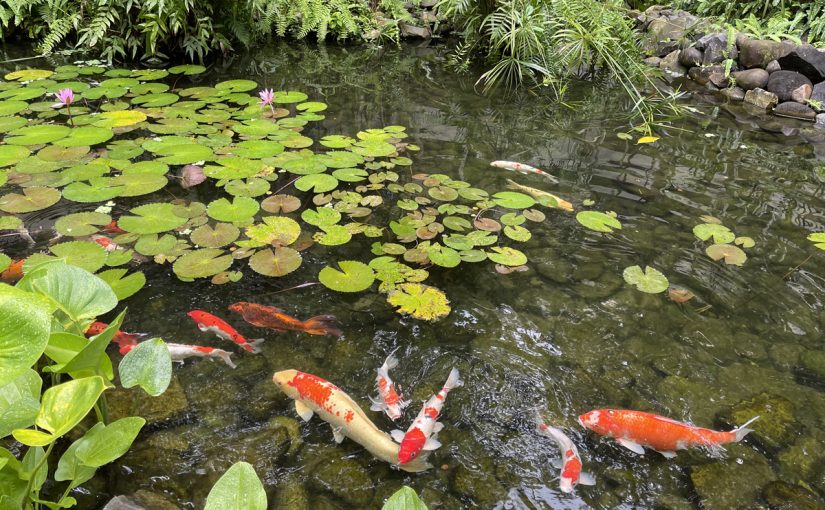
Are Koi Ponds Hard To Maintain?

koi-pond-maintenance-tips

Having a pond in your backyard is a great centerpiece of your landscaping. However without proper maintenance it can become the monster lurking in your yard. Here are a set of steps for how to maintain a backyard pond.

Elements of a Backyard Pond

The type of maintenance required for each pond is different, partly because different yards will have more or less trees, sunlight, and other variables. Even different styles and materials the ponds are made with will mean more or less cleaning. Most ponds share common elements, here are a few of them.

Pond Edge Materials – The edges of most ponds are lined with an edging material. Usually concrete pavers or even stones are lined between the water and the rest of your landscape. This isn’t just for a great aesthetic look, but helps prevent contamination. The water running off your lawn may be fertilized. The chemicals found in lawn fertilizer are not good for these ponds, especially if you have Koi fish.

Pond Liners – The soil in your yard is meant to drain water away from the roots of your plants. When you have a pond you generally want to keep the water where you put it, and a PVC or rubber liner is how we get the job done.

Pond Sand Bases – Before the liner goes down a layer of sand is laid. This is so that your liner has a soft even place to rest. Without this you might have sharp rocks that will pierce your liner and leak your water.

Seasonal Backyard Pond Maintenance Routines

Depending on the size of your pond you will require more or less often maintenance. It might seem crazy but the larger ponds are actually easier to take care of. This is because they can cope with changes to chemistry and ecology. Here we have listed out the ways to take care of your backyard pond in each season.

how-to-maintain-a-backyard-pond-in-phoenix

Spring Backyard Pond Maintenance

  • If your liner has more than an inch of debris or muck you are going to need to drain the pond and hose off the liner. Cleaning the bottom of the pond keeps your filters and pumps working, and makes them last longer.
  • While you have the pond drained it is a good chance to look for any potential leaks. Limbs or branches from trees can fall and pierce the liner of your pond. Pond liner repair kits are inexpensive and effective. This will prevent water from leaking out, or contaminants under your liner from entering your ecosystem.
  • Replace the filter and make sure the pump is working. Replace any piece of your pump or filtration system that isn’t working.
  • Top off the water level in your pond. Do so by placing the water trickling into the bottom of the pond. This helps stir up the minimum amount of debris.
  • Get rid of any debris or leaves from the pond. This debris as it decomposes releases harmful chemicals into ponds. The Nitrate levels need to be controlled for these close ecosystems.
  • Consider adding some plants to help increase the level of oxygen in the water. In addition to aeration of the water from falling water you can put oxygenating aquatic plants into your pond.
  • If you have potted plants you can divide them. This keeps them growing well and getting bigger.
  • Switch the feed you are using for your fish in the spring. You will want to make sure that you are using a high-carbohydrate type food. This will help them increase activity.
  • After all potential for frost has passed you can add any submerged or potted plants to your pond. If you install them too early you run the risk of algae getting out of control.

Summer Backyard Pond Maintenance

  • Stay on top of the water level. Letting the water get too long concentrates salt in the water and is harmful to the fish, pond, pump and filtration system. Try to add a little every week or two instead of having to add large amounts every month.
  • Plants grow best in the summer and can get out of control. It’s important to remove dead leaves to keep the water clean. Plants or flowers that are overgrowing should also be trimmed back. This will help keep the water cleaner and require less maintenance.
  • Keep an eye on your pump intakes and filters. A weekly check should be done and clean them out if they are starting to get clogged.
  • Watch The Water Chemistry. Kits should be bought to keep track of the water quality. Much like operating a hot tub the chemistry in the water dictates how safe it is. Pond chemistry sticks should be used that properly measure for chlorine, ammonia, and chloramines. High levels of any of these chemicals can be harmful to, or kill your fish.
  • Watch the fish for odd behavior or sores. It can be a sign of water chemistry being off.
  • Use aquatic-plant fertilizer tables on your potted plants each month of the summer. This helps keep them healthy and growing well.
  • If your yard is prone to pests on the plants use non toxic methods to control them. Algae can grow out of control if you don’t control it. Use a long-handled bristle brush, pole, or rake to get rid of your algae.

Fall Backyard Pond Maintenance

  • Fall is known for falling leaves, and decaying leaves in your pond raise ammonia levels. If you only have a few trees and can skim the leaves out of your pond with a net or skimmer you should be fine. If you have a lot of trees near the pond a net should be set in place. They can be bought inexpensively and secured in place with tent spikes, bricks or rocks.
  • Cut back on the feeding of your fish. Once the water reaches 50°F stop feeding your fish entirely. During the winter digestion in fish enters an almost hibernation like state. The amount they need to eat is more than supplied by bugs and other things they can find naturally in the pond.
  • Take any plants that won’t cope well with colder temperatures. Arizona rarely has serious freezes. But plants that won’t survive cooler nights should be brought in.

Winter Backyard Pond Maintenance

  • In Arizona freezes are not common. However if there is a freeze coming, clear your water lines and any pond fountains.

Do Koi Fish Bite?

Yes, koi fish can bite, but don’t let that fact prevent you from feeding them by hand. A bite from one of these fish will simply feel like a harmless nibble.

What To Know About Koi Fish Mouths And Teeth

It’s no secret a koi’s mouth appears too large for their heads. However, the mouth and bite is perfectly suited for eating floating food in the pond. Koi can eat at any water level, which is quite uncommon.

Koi fish actually lose their teeth all the time, so don’t be surprised if you see some teeth floating in the water. The teeth are very similar to human molars and grow back quickly. Koi teeth are positioned in the back of their throats, designed crunch down on food or insects found at the bottom of the pond.

Do Koi Fish Bite Each Other?

Koi fish generally aren’t aggressive towards each other. They’re usually quite peaceful and social, often thriving in groups. However, if their environment becomes too crowded or if there isn’t enough food, they might exhibit some minor squabbling.

It’s also possible for dominant fish to assert themselves over others, but this is usually more about establishing pecking order than actual fighting. Ensuring that they have ample space and resources can help keep the peace among them.

Conclusion

As mentioned, koi fish can bite but the bite itself is quite harmless overall. It may even feel like a slight tickle.

Their teeth are placed in the back of their throats to allow them to eat in all parts of a pond. Even with the positioning of the teeth, koi fish can do damage to other fish when becoming aggressive.

Phoenix Area Pond Supply

If you are looking for live fish, live plants, pond filtration, pumps, or anything else you need to start or care for your water garden or garden pond The Backyard Pond has everything you need. We serve residents of the greater Phoenix area with the best selection of Koi, plants, and all the supplies you need. Stop by or give us a call at 623-878-6695 with your questions.

Are Koi Ponds Expensive?

Koi pond can be expensive when based on both size and additions. For example, smaller koi ponds cost between $5,000-$6,000, while larger ponds can cost more than $60,000. Average size ponds cost between $15,000-$20,000.

Koi Pond Costs

Some koi ponds will be more expensive than typical models because they are ecosystem ponds. These ponds cost more because they involve 2 types of filters, plants, rocks and fish. Since the ponds take care of themselves, though, maintenance costs will be considerably less.

Average koi pond costs by size:

  • 7 feet by 11 feet koi pond: $5,000-$6,000.
  • 15 feet by 20 feet koi pond: $15,000-$20,000.
  • 24 feet by 36 feet koi pond: $60,000+.

Koi Pond Additions

You can ultimately enhance your koi pond with numerous additions, but they will cause the price tag to increase. Here are a few of the most common koi pond additions:

  • Aquatic plants.
  • Underwater lights.
  • Auto-fill system.
  • Waterfalls.
  • Ion-Gen water cleaner.
  • Fountains.
  • Steam.
  • And more!

Koi Pond Fundamentals

Your koi pond needs to be designed properly for your fish to thrive. Many professionals will recommend that your pond meet set criteria to be able to provide the best situation for your fish. Normally koi ponds are larger than a fishless pond.

Size Requirements:

• No less than 1,000 gallons.
• 3 or more feet deep.
• 25 square feet of pond for each koi.

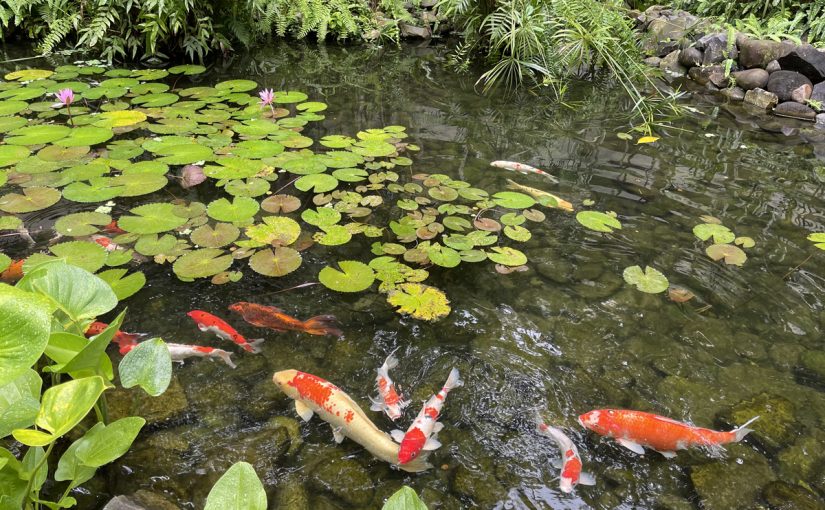
It is vital that you know that fish will need to have some sort of shade. If the pond happens to get direct sunlight, then you should consider floating plants such as water lilies. Most of the pond surface needs to be shaded to give your koi a comfortable place to escape the sun. Another benefit of plants is that they give them a place to hide from predators.

Water plants are essential. Aquatic plants will help to balance the ecosystem which helps to create a natural home for your fish. There are some plants that are oxygenators which mean that they put oxygen in the water, which the fish can breathe. Koi also eat many types of water plants.

Fish don’t need to be fed as long as the pond isn’t over stocked as they can live off algae, insects and other food in the environment. Certain plants can be included as a food source.

Phoenix Area Pond Supply

If you are looking for live fish, live plants, pond filtration, pumps, or anything else you need to start or care for your water garden or garden pond The Backyard Pond has everything you need. We serve residents of the greater Phoenix area with the best selection of Koi, plants, and all the supplies you need. Stop by or give us a call at 623-878-6695 with your questions.

What Are Aquatic Plants?

Aquatic Plants

Choosing the right plants for your pond in Arizona will make it more visually stunning and preserve the health of the pond. If you’re searching “Aquatic Plants” you’re either planning a new pond or considering about how to make your present pond better.

Aquatic Plants Guide

Water plants are generally considered one of the best ways to enhance a water feature. Occasionally called aquatic plants, there are water plants for just about every type of water feature, from small table fountains to spacious backyard ponds.

The type of aquatic plant that will best suit your water feature is will be decided by your requirements, as well as the developing features of each plant.

Tropical Night Blooming Lilies

The Antares Night Blooming Tropical Water Lily is an attractive rosy-red colored lily with 5 1/2″ – 7 1/2″ flowers. This free flowering lily has a bowl-like flower likeness and the leaves are darkish rust color. The Antares Night Blooming Tropical Water Lily opens right before nightfall and stays open until the morning hours.

Hard Water Lilies

A water garden is not complete without one or more of these elegant pond plants. The hardy water lily is available in an assortment of sizes and colors. The water lily plant, once they established in your backyard pond will reward you with a lot flowers all through the summer months.

Hardy water lilies will bloom regularly May thru September.  They do great in winter and the water lily will comeback in the spring once again giving you a lovely backyard pond plant.

Tropical Water Lilies

Tropical water lilies make a stunning centerpiece in your backyard pond. Its flowers rise several inches out of the water and are more bountiful than hardy lilies. Flowers open mid-morning and will stay open until late the afternoon or early evening.

Tropical water lilies can safely be placed outdoors when the water temperatures are a regular 65+ degrees. Tropical water lilies that are marked as Viviparous (producing seeds that grow on the plant itself) will endure through cooler water temperatures and bloom later into the autumn months.

Aquatic Bog Plants

Aquatic bog plants grow in shallow water or at the border of the pond. Marginal plants consist of pond plant variations that stand above the water while their feet constantly remain wet.

All of the hardy bog pond plants are a perennial type and will come back every spring and bloom at various times all through the season. Hardy bog plants are valuable because they add height and proportion to the pond giving it a more natural look.

Water Iris

An additional favorite for pond owners is the water iris, as there are a lot of varieties to choose from. They supply a long sharp leaf, and depending on the species can produce various color flowers, from white, blue, to yellows.

Commonly, these plants are placed in pots which are then submerged in the pond water. The majority of water iris will survive in limited or full sun, which is good for those that have some type of shade.

Lotus

Lotus plants are a hardy perennial pond plant and will give you colorful flowers year in, year out. Some water lotus species have leaves that can reach up to 2’ in circumference and massive flowers up to 12” in diameter. Some smaller and medium varieties can adapt to patio gardening also.

Benefits Of Aquatic Plants For Koi Ponds

When it comes to aquatic plants, they are thought to be a great part of a koi pond. Aquatic plants can assist with increasing the production of oxygen in water, maintaining the pond with proper aeration for koi’s.

In addition, just their presence can help keep water cooler as it provides the koi a shaded area. The submerged plants also act as an important surface during spring breeding season for female koi, as they attach fertilized eggs to the plants.

Keeping Water Cleaner

Meanwhile, the plants can prevent spreading of algae, helping to keep it under control. The shade that plants provide lowers the light that reaches the pond, thus limiting the photosynthesis of algae.

Plants provide a natural filtration for preventing string algae, known as blanket weeds to form. This is done mostly by absorbing the nitrates that can be harmful and result in the formation.

Aquatic Plants For Sale In Phoenix

For aquatic plants purchasing give us a call today at (623) 878-6695 or stop by our store and take a look at our wide selection of pond products. We can also install, service and maintain your fish pond.

Can Koi And Goldfish Live Together?

Raising Goldfish In A Backyard Pond

Let’s take a look at the differences between koi fish and goldfish and whether or not the two can peacefully co-exist in the same pond. 

Koi Fish Vs Goldfish Differences

It’s very important to be able to tell the two fish apart when they are sharing a pond. Fortunately, there are a few noticeable ways to tell them apart outlined below.

Size

Koi fish are much bigger than goldfish. While pond goldfish are typically much bigger than aquarium goldfish, they still remain smaller than the average koi.

In ideal conditions, goldfish can grow over a foot long. Full-grown koi, meanwhile, will range between one to three feet long. It is important to note that domestic koi are usually on the smaller end of that range.

Shape

Koi fish are stout and quite muscular, overall. Even when goldfish are lengthy, they will always feature a narrower shape.

Activity Levels

Koi are also more active than goldfish. This is especially noticeable during mealtimes as koi become aggressive.

The koi have a competitive nature when it comes to feeding.

Barbels

If you look at the mouth of each fish, you will be able to tell them apart quickly. Koi have small, horn-like protrusions on either side of the mouth.

These are known as barbels, which are sensory organs designed to help koi search for their food. Goldfish, meanwhile, do not have barbels.

Can Koi And Goldfish Live Together In A Pond?

Yes, despite all their differences, koi and goldfish can co-exist peacefully in a pond. Let’s take a look at how you can create the best environment possible for both fish to survive and thrive below.

Maintaining A Pond For Koi Fish And Goldfish

Make sure you have a good filtration system in place. Filtration is required to remove part of the waste produced by the fish, as well as the decomposition of plant matter in the water. Every few weeks, clean the filters according to the manufacturer’s instructions. Goldfish are vulnerable to ammonia and nitrate buildup in pond water due to insufficient filtering. Every other day, check the water for nitrates. Nitrate levels in goldfish culture should ideally be nil. High waste product levels can also be produced by having too many goldfish in your pond — each goldfish should have about 3 to 4 square feet of water surface, assuming the fish are of average size – about 6 to 10 inches.

Use plants to cover around 75 percent of the pond’s surface to reduce algae production. This will block sunlight from reaching the water’s surface, encouraging algae development. Some algicides are poisonous to goldfish, therefore don’t use it in a pond with them. Water plants provide shade, which keeps the pond water from becoming too heated. The temperature of the pond water should be between 65 and 85 degrees Fahrenheit for goldfish to grow.

Skim the pond for leaves and debris on a regular basis. Algae have no feeding source if dead organic debris is removed every few days. Algae in a pond not only looks unappealing, but it also depletes oxygen levels in the water, which goldfish require to survive.

Feed your pond’s fish with goldfish food prepared exclusively for them, as directed on the package. Don’t overeat. Goldfish metabolism speeds up in the summer, when the pond water temperature is around 80 degrees Fahrenheit, and they can be fed twice a day safely. Food that isn’t consumed pollutes the pond.

Fertilize your pond plants according to the instructions for each species of plant. Water lilies (Nymphaea), for example, need fertilizer on a regular basis to thrive. Trim or divide any plant material that appears to be overgrown or unhealthy on a regular basis. Healthy plants give your pond’s goldfish areas to hide from predators like raccoons and blue herons, as well as to escape the sun’s heat.

During the hot, dry summer months, top off the pond’s water to repair evaporation losses. The goldfish will be stressed if there isn’t enough water, making them more prone to sickness. The water must be chlorinated before being added to the pond, or the fish may perish. Before adding water to the pond, dissolve dechlorinator tablets in buckets of water according to package guidelines.

What Do Koi Eat?

What Do Koi Fish Eat?

If you’re searching “What Do Koi Fish Eat?” you are either starting a new pond or taking over a pond.  This guide is meant to help you understand what they eat and how you can develop a successful and well balanced diet for your prized Koi.

Goldfish and Koi (carp) are considered non-aggressive omnivores. They will eat just about anything that won’t eat it first such as algae, worms, snails, insects, plants, etc. This is because they get their nutrition from various food sources, and it isn’t surprising that Koi and goldfish in the wild will rarely have nutrition related issues. Their natural environment has a lot of food sources to meet their dietary needs for growth, reproduction, and developmental maintenance.

Koi Fish Nutrition and Diet

The basic requirements for goldfish and Koi are not much different from other fish. They need protein for growth, maintenance and development. Fats such as lipids are the major energy source. Vitamins and minerals are essential for their metabolic performance. Read more below for details on Koi fish food.

The dietary proteins will provide essential amino acids that fish need by can’t synthesize. The natural diet for fish is rich in proteins. So as a pond-keeper, you have to make sure that protein requirements are met. Failure to do this is obvious. A deficiency in just one amino acid can stop growth, and then the fish will begin to waste away.

Koi Fish Feeding Factors & Variables

There are many factors that will influence protein needs for goldfish and Koi. Age is important, as a young fish needs more protein than older fish due to the fact that growth demands amino acids than maintenance of the fish body.

Temperature

Water temperatures will affect protein requirements. When the temperatures are below 60 degrees Fahrenheit the growth will be slow and protein demands are lower. Protein makes up about 25% of all fish in cooler waters.

Protein Content

The feeding rate will also affect the need for protein. If the food quantity is less than the fish’s appetite, then higher protein will be needed. If the food has a lot of starch or fiber, net protein intake will be reduced. Again a high protein content will be needed.

Amino Acids

The content of amino acids and the ability to digest other proteins and sources of protein will vary. So the exact protein source is vital. Fish meal and soybean meal do provide easy to digest proteins while animal meats and corn meal have a lot of hard to digest proteins.

Dietary Fat

Dietary fat will be the main source of energy for a fish. In the wild, the lipid percentage in the diet varies between 10% to 40% dry weight. Energy requirements depend on the activity level of the fish and in general Koi are more active in the wild than in a pond. So 5% to 10% of the diet for goldfish and Koi needs to be fatty acids.

Linolenic Acids & Oils

Koi in particular need linolenic and fatty acids. Fish oils such as cod liver oil will be the best sources of essential fatty acids which make up about 25% of the fatty acids but only 2.5% are linoleic acids. In contrast, vegetable oils are low in fatty acids but high in linoleic acids. A proper diet for goldfish and Koi need to contain about 1% of both types of oil. Linseed oil is a good source which provides both types of fatty acids.

Koi Vitamins

Vitamins, in small quantities, are great for fish health. For instance, thiamin deficiencies can be confused with insecticide poisoning, which cause body curvatures, instability, equilibrium loss, and eventually death. Biotin deficiencies can look like a parasite infection which causes blue slime, convulsions, poor growth and skin lesions.

Koi can synthesize some vitamins like B12 which reduces the need for dietary foods, but many vitamins need to come through its diet. Minerals are also a big part of fish health. They help to form tissue and basic metabolic functions especially osmotic balance between water and the fluids in a fish’s body. Osmotic diffusion helps fish to satisfy their mineral needs if the water contains minerals such as iodine, potassium, phosphorus, calcium, sodium, sulfate, carbonate, and chloride can be gained from diffusion. But zinc, iron, magnesium and copper need to come from their diet.

Koi & Carbohydrates

Carbohydrates are not an important part of the diet for goldfish and Koi. Most ornamental fish suffer from diets that are rich in carbs. Liver enlargements, heart and kidney failure, severe liver degeneration, and excessive glycogen deposits on the liver can be caused from overfeeding of carbs. A safe practice is to make sure that the carb consumption is below 10% daily.

Fiber

Fish also do not need fiber. When fiber is more than 10% daily, food evacuation from the digestive system is sped up. This reduces the absorption of nutrients in the intestinal tract.

Koi Fish Feeding Options

Goldfish and Koi evolution has seen that the proper running digestive systems need dietary more in the long run. A single food diet is fine where the fish are removed early in life, but ornamental fish need natural lifespans which need various foods.

There isn’t a single food type, no matter how nutritious is right for a long term diet for goldfish or Koi. There aren’t any manufacturers of premium food that would claim that their products need to be the only thing in your fish’s diet. So you need to make the effort to give your fish a varied diet which doesn’t mean switching from flakes to pellets but various types of food like insects, vegetables and more.

It is important to think in terms of a supplemental and base diet for fish. The base diet gives the needed proteins, fats, and vitamins while the supplementary diet gives additional minerals and vitamins plus fats proteins, and variety.

Cost Of Koi Food

Not to mention, your finances are important too. Food costs can really increase over time, and you may end up spending more than needed to provide for their diets. That is why this article starts with looking at the basic needs of the goldfish and Koi. It will also look into the physiological characteristics of digestion and ingestion that are part of the feeding process of goldfish and Koi, which will affect the food and feeding. With this information, you can then get suggestions on feeding.

A Micro Ecosystem

It is in respect that the regular ornamental pond fish will fail to reproduce nature. The fish load of these ponds or the weight of fish when related to the volume of water is 100% greater than in the wild. It is the diversity and quantity of the aquatic flora and fauna in these ponds, especially a Koi pond, that is limited and never balanced with the fish population except where the pond is devoted to plants instead of fish. The average hobbyist can’t expect fish in an ornamental pond to be able to satisfy their needs with pond food alone.

Koi Pond Keeping

This is where pond-keeping comes into play. As a pond-keeper, you are standing in for mother nature to provide the basic diet for animals through daily feeding. It is vital that the daily ration of food will meet the nutritional needs in both ingredients and quantity. At the same time, proper nutrition and diet depends on how your fish feed themselves. The correct feeding process is very important for goldfish and Koi.

Although, it is easy to list what may be considered the best foods for your fish, and how they need to be fed, but that advice would have little effect without giving you the background about this process. There are so many alternatives and options out there, and there is more coming.

Koi Fish Services & Products in Peoria, Arizona

For Koi Pond Design give us a call today at (623) 878-6695 or stop by our store and take a look at our wide selection of Koi services and products.
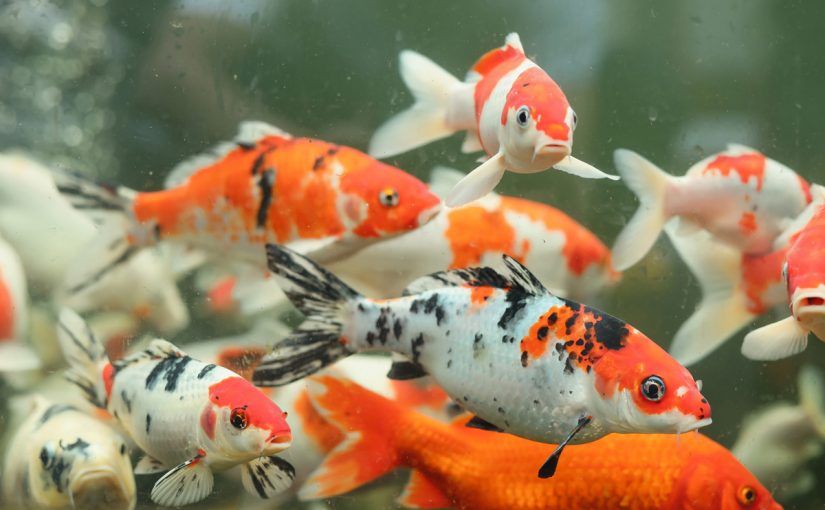
Can Koi Fish Survive Winter?

Koi fish are tough, and they can survive and thrive in all sorts of temperatures. It is possible for you to make their lives easier, though, especially in the cold winter months.

How To Help Koi Fish Survive The Winter

Unlike northern climates where ponds freeze over, winter in the Valley means daytime highs in the 60s and 70s with chilly nights that can dip into the 30s.

While you won’t need to worry about thick ice, your koi will still experience changes in metabolism, appetite, and activity level as the water cools. Lower temperatures slow their digestive systems, so feeding and filtration must be adjusted accordingly.

Whenever your Koi fish reside in an area capable of hitting some freezing temperatures, it’s crucial to address the following issues to keep them safe.

Ensure Oxygen Access

The fish will still need oxygen in order to survive even in frozen ponds. Solid ice surfaces can deplete life-sustaining oxygen, which can ultimately lead to a significant loss of life in the winter.

By installing a running water feature, aerator, or pond deicer, you’ll provide access to the air at the water’s surface. This can keep your fish alive.

Pond deicers work by thawing a small portion of the surface, allowing air to penetrate into the water. However, these must be checked often to ensure they are functioning properly.

Aerators operate by preventing the ice from completely covering the area directly above them. Running water features, meanwhile, work better than aerators, in most cases.

Insulation

Surface freezing is usually fine for most ponds. How many inches down the pond freezes will definitely depend on the weather in your area. That’s why it is important to make sure your fish have enough room under the ice. Fish that are packed together too tightly could potentially run out of oxygen.

The majority of these ponds that are built into the ground will be well-insulated by the surrounding soil. Above-ground ponds are more at risk of deep freezing. It’s suggested to wrap insulation, blankets, or dirt around any exposed walls.

Feeding Patterns

As pond water temperatures drop below 60°F, your koi’s metabolism slows. They won’t be able to digest high-protein foods the way they do in summer. Switch to a wheat germ–based or easily digestible cool-water formula and reduce feeding frequency.

Once water dips below 50°F, it’s best to stop feeding altogether until spring. Overfeeding in cool water leads to waste buildup and stressed fish, so less is definitely more this time of year.

Supercooling Features

When air is exposed to very cold temperatures, it can supercool a pond by rapidly dropping the temperature of the water. This commonly happens as the sun is going down.

A rapid decrease in temperature can harm or even kill Koi fish. If you have a tall water feature, try to bypass it during the extreme cold.

How To Protect Your Koi Pond From The Cold

While Phoenix rarely sees hard freezes, the occasional frosty night can happen. To protect your koi during a cold snap:

  • Keep a floating pond thermometer handy to monitor water temperatures.

  • Use a floating de-icer or pond heater only if temperatures are expected to dip below freezing for extended periods.

  • Covering your pond with a shade sail or temporary cover on the coldest nights can also help buffer against sudden drops.

If you have aquatic plants like lilies or marginal grasses, trim back dead growth to keep it from decaying in the water. Many desert-friendly pond plants go dormant in winter, so don’t worry if they look a little lackluster—they’ll bounce back in spring. Around the pond, rake up any fallen leaves or debris to reduce extra organic matter entering the water.

Phoenix Area Pond Supply

If you are looking for live fish, live plants, pond filtration, pumps, or anything else you need to start or care for your water garden or garden pond The Backyard Pond has everything you need. We serve residents of the greater Phoenix area with the best selection of Koi, plants, and all the supplies you need. Stop by or give us a call at 623-878-6695 with your questions.

Are Koi Fish Expensive?

Koi fish can be expensive, with costs varying based on location, size and color patterns, among other factors. These fish can cost anywhere from $8-$200,000 each, according to PremierPond.

How Mush Do Koi Fish Cost?

Here is a look at some average koi fish costs:

  • Assorted Grade-A koi: $8-$20.
  • Grade-A domestic koi: $10-$17.
  • Large Butterfly koi: $30-$660.
  • Large to extra-large koi with rare color patterns: $100-$2,500.

Rare breeds from Japan have been purchased for nearly $200,000.

What Affects The Cost Of Koi Fish?

There are six important factors that could play a role in the overall cost of koi fish. Let’s take a look at these factors below!

1. Color And Pattern

It goes without saying the better the koi fish looks, the more expensive it will be. Individuals have been breeding koi fish for centuries, which has resulted in many different colors and patterns. The bright red-orange, dark black and shinning white combination tends to be the most popular.

Koi that are yellow, gray or white are also sought-after by home and business owners. In Japan, citizens want koi that look like the Japanese flag, identified by a large red dot on their head.

2. Size

Koi fish will undoubtedly cost more when they are larger. Here is a look at some average koi fish sizes:

  • Domestic koi: 12-15 inches in length.
  • Japanese koi: 22-26 inches in length.
  • Jumbo koi: 34-36 inches in length.

3. Age

It is easy to tell the quality of koi fish as it ages. When you purchase younger koi fish you won’t be able to tell how large they’ll get, meaning it’s hard to identify their quality.

Of course, you won’t be able to enjoy your koi for as long if you purchase older ones. These fish can live for decades depending on type and how they are cared for.

4. Sex

Females will come with a higher price tag when it comes to the highly-valued Japanese koi. The females tend to be longer with rounder fins, plus they can be used for breeding. Domestic koi will usually be cheaper.

5. Genetic Lineage

You will find that some koi can trace their ancestry back for generations. This ultimately affects the price since it’s like purchasing a purebred dog versus a mutt. Gosanke is the most valuable koi available today.

You will be able to find cheaper domestic koi at local pet shops or online. Oftentimes, domestic koi will live a better life in your backyard pond.

6. Body Shape

U.S. and Japanese koi farmers have different preferences on body shape and fin-type. Short and neat fins are more popular in Japan, for instance.

In The U.S., koi with long fins are called Butterfly koi due to the way they look. Needless to say, prices will vary based on your location and the appearance of the koi.

Phoenix Area Pond Supply

If you are looking for live fish, live plants, pond filtration, pumps, or anything else you need to start or care for your water garden or garden pond The Backyard Pond has everything you need. We serve residents of the greater Phoenix area with the best selection of Koi, plants, and all the supplies you need. Stop by or give us a call at 623-878-6695 with your questions.

Do Koi Fish Hibernate?

Koi fish are renowned for their survival skills, even in the harshest outdoor conditions. The obvious question is, do these fish hibernate during the winter? The answer is yes, but not in the traditional way. Let’s take a look at what you need to know about Koi fish hibernation methods below.

Do Koi Fish Hibernate In The Winter?

Unlike some animals, koi fish do not truly hibernate. Instead, they enter a state referred to as torpor. This state helps them both conserve energy and survive frigid temperatures.

While in torpor, the Koi’s metabolism and breathing will slow down. They will move very slowly and stop eating due to the fact it takes food far too long to process.

Koi will enter this state when temperatures hit 40°F or below. When temperatures start to dip around 50°F, the Koi will become sluggish.

Winter Koi Pond Maintenance Tips

Unlike northern climates where ponds freeze over, winter in the Valley means daytime highs in the 60s and 70s with chilly nights that can dip into the 30s.

While you won’t need to worry about thick ice, your koi will still experience changes in metabolism, appetite, and activity level as the water cools. Lower temperatures slow their digestive systems, so feeding and filtration must be adjusted accordingly.

The great advantage of living in the Phoenix Valley is that your koi pond remains a year-round feature to enjoy. Even in the cooler months, the gentle sound of running water and the sight of colorful koi gliding gracefully beneath the surface add life and beauty to your backyard.

Winter is also an excellent season to add enhancements like lighting, new rock features, or seating areas since your koi will be less active and the weather is comfortable for outdoor projects.

Keep your pond safe during the winter by doing the following tasks outlined below.

Clean The Pond

Start by removing all leaves and debris. Decaying leaves can create toxins and ammonia that can harm Koi fish. Always check the bottom of the pond for any presence of waste and/or algae.

Next, perform a partial water change. Changing just 10-20% of the water can improve water quality.

Adjust Filtration And Aeration

Raise your pond filter intake and keep it above the bottom of the pond. This will avoid disturbing the warm water. A pond aerator can be used to maintain normal oxygen levels.

Moving water can make a pond too cold during the winter, so avoid waterfalls and strong currents, at this time.

Proper Feeding Schedule

You should stop feeding the Koi fish whenever the water reaches 50°F.

Try using a wheat germ-based food during the fall season. This will prepare the Koi’s digestive system for the colder months to come.

Prevent The Pond From Freezing Over

Install a floating De-icer or pond heater as the temperatures begin to dip. You need to keep portions of the pond ice-free for oxygen exchange.

Always refrain from breaking up the ice by hand. The shockwaves can cause major stress for the Koi.

Regularly Check Water Quality

Regularly check the water’s pH and oxygen levels. Poor water conditions can be deadly, especially in the winter.

A floating thermometer can be used to track temperature changes in the water.

Winter Koi Pond Mistakes To Avoid

As mentioned, manually breaking up the ice is a major mistake to avoid. This can cause stress and injuries to the fish. Stop feeding the Koi as soon as temperatures reach 50°F and below.

Low oxygen levels can be deadly so make sure to never turn the aeration completely off. Do not use salt in the freezing water. This ultimately creates unsafe conditions.

Conclusion

Preparing your koi pond for winter in Phoenix is less about battling freezing conditions and more about adjusting care for cooler water. By modifying feeding, maintaining equipment, monitoring water quality, and protecting against the occasional frost, you’ll set your pond up for a healthy, stress-free season.

With just a little attention, your koi will thrive all winter long and be ready to greet spring full of energy.

Phoenix Area Pond Supply

If you are looking for live fish, live plants, pond filtration, pumps, or anything else you need to start or care for your water garden or garden pond The Backyard Pond has everything you need. We serve residents of the greater Phoenix area with the best selection of Koi, plants, and all the supplies you need. Stop by or give us a call at 623-878-6695 with your questions.

Preparing Your Koi Pond for Winter in the Phoenix Valley

When most people think of “winter pond prep,” they picture frozen water and snow-covered landscapes. Here in the Phoenix Valley, of course, our winters are mild compared to much of the country. Still, your koi pond needs a bit of seasonal attention to keep your fish healthy and your water feature running smoothly through the cooler months. A little preparation now helps avoid stress on your koi and ensures your pond is looking beautiful year-round. Read on to learn more.

Understanding Winter in the Desert

Unlike northern climates where ponds freeze over, winter in the Valley means daytime highs in the 60s and 70s with chilly nights that can dip into the 30s. While you won’t need to worry about thick ice, your koi will still experience changes in metabolism, appetite, and activity level as the water cools. Lower temperatures slow their digestive systems, so feeding and filtration must be adjusted accordingly.

Adjusting Feeding for Koi Health

As pond water temperatures drop below 60°F, your koi’s metabolism slows. They won’t be able to digest high-protein foods the way they do in summer. Switch to a wheat germ–based or easily digestible cool-water formula and reduce feeding frequency. Once water dips below 50°F, it’s best to stop feeding altogether until spring. Overfeeding in cool water leads to waste buildup and stressed fish, so less is definitely more this time of year.

Filtration and Equipment Maintenance

Winter is the perfect season to give your pond equipment some TLC:

  • Clean the filter media so water continues to circulate freely without clogs.

  • Check pumps and skimmers for leaves or debris left over from fall.

  • Inspect aeration systems to ensure oxygen levels remain steady. Even though koi are less active, good aeration keeps them healthy.

Because Phoenix winters are mild, you generally don’t need to shut down your pumps or waterfalls. In fact, running them all winter helps maintain circulation, oxygenation, and the soothing beauty of moving water in your yard.

Water Quality Checks

Cooler water means your koi are more sensitive to changes in pH, ammonia, and nitrite. Test your pond water regularly throughout the winter to make sure levels are balanced. If you need to top off the pond, use dechlorinated water and add slowly to avoid temperature shock. Maintaining clean, balanced water now prevents springtime algae blooms and fish stress.

Protecting Your Pond From Cold Snaps

While Phoenix rarely sees hard freezes, the occasional frosty night can happen. To protect your koi during a cold snap:

  • Keep a floating pond thermometer handy to monitor water temperatures.

  • Use a floating de-icer or pond heater only if temperatures are expected to dip below freezing for extended periods.

  • Covering your pond with a shade sail or temporary cover on the coldest nights can also help buffer against sudden drops.

Plant and Landscape Care

If you have aquatic plants like lilies or marginal grasses, trim back dead growth to keep it from decaying in the water. Many desert-friendly pond plants go dormant in winter, so don’t worry if they look a little lackluster—they’ll bounce back in spring. Around the pond, rake up any fallen leaves or debris to reduce extra organic matter entering the water.

Enjoying Your Pond All Winter Long

The great advantage of living in the Phoenix Valley is that your koi pond remains a year-round feature to enjoy. Even in the cooler months, the gentle sound of running water and the sight of colorful koi gliding gracefully beneath the surface add life and beauty to your backyard. Winter is also an excellent season to add enhancements like lighting, new rock features, or seating areas since your koi will be less active and the weather is comfortable for outdoor projects.

You Got It Covered!

Preparing your koi pond for winter in Phoenix is less about battling freezing conditions and more about adjusting care for cooler water. By modifying feeding, maintaining equipment, monitoring water quality, and protecting against the occasional frost, you’ll set your pond up for a healthy, stress-free season. With just a little attention, your koi will thrive all winter long and be ready to greet spring full of energy.

Phoenix Area Pond Supply

If you are looking for live fish, live plants, pond filtration, pumps, or anything else you need to start or care for your water garden or garden pond The Backyard Pond has everything you need. We serve residents of the greater Phoenix area with the best selection of Koi, plants, and all the supplies you need. Stop by or give us a call at 623-878-6695 with your questions.