
Learn all about water level indicators below.
What is Water Level Indicator?
Water level indicator definition: A water level indicator is a system that relays information back to a control panel to indicate whether a body of water has a high or low water level. Some water level indicators use a combination of probe sensors or float switches to sense water levels. “The Water Level Indicator employs a simple mechanism to detect and indicate the water level in an overhead tank or any other water container.” according to Electronics Hub.
Purpose of Water Level Indicator
The purpose of a water level indicator is to gauge and manage water levels in a water tank. The control panel can also be programmed to automatically turn on a water pump once levels get too low and refill the water back to the adequate level.
Water Level Indicator Sensor?
A water level indicator sensor, also known as a probe sensor, is what tells the control panel that corrective action is needed. A combination of high and low sensors are used to tell the control panel when water levels are too high or too low. The control panel will then automatically turn the pump on or off depending on the corrective action needed.
The working principle of a water level indicator is actually quite simple. Water level indicators work by using sensor probes to indicate water levels in a storage tank. These probes send information back to the control panel to trigger an alarm or indicator. As mentioned above, the control panel can be programmed to automatically turn on your pump to refill the water again.
- The water level is full – Nothing happens
- Water level drops to the reference probe – Alarm is triggered
- Fill start is triggered automatically turning on the water to fill the tank
- Once the water is full, fill stop is triggered and the system automatically stops the pump
- The system resets and waits for water levels to drop again
Depending on the manufacturer, some water level indicators will have 3 probes while others might have as much as 7.
3 Probe water level indicators use a reference probe, fill start probe and fill stop probe to manage water levels. These probes work together to manage the water levels in a tank. The reference is the lowest point you want the water level to go to before the water starts filling again. The fill start probe is usually the same length as the reference probe to ensure the pump starts filling the water once it has reached its lowest point.
5 probe water level indicators use more probes to also include alarms. They have the same reference probe but also come with a low alarm & high alarm probe that will tell you if water levels become too low or too high.
Read more about how water level indicators work
What Is The Use Of a Water Level Indicator?
Applications of a Water Level Indicator
Water level indicators can be used in Hotels, Pools, Factories, fire protection systems in buildings and more. Other applications and uses of a water level indicator include:
- Hotels
- Home apartments
- Commercial complexes
- Factories
- Where cooling towers are used
- Residential and commercial swimming pools
- Anywhere water levels need to be controlled
- In vehicles as a fuel level indicator
- In huge containers as a liquid level indicator
- Single phase motor
- Single phase submersibles
- Three phase motors
- Open wells
- Bore wells
- Sump Pumps
- Used to start and stop water pumps
- Water level indicator for water tank
Types Of Water Level Indicators
There are many different types of water level indicators including:
- Float switches
- Water level controls
- Floatless level indicators
- Single point level indicators
- Hanging water level sensors
- Conductivity level sensors
- Electronic water level indicators
- Spark plug water level indicators
- PVC water level sensors
- Wireless water level sensors
- Swimming pool water level indicators
Learn more about the different types of water level indicators
Benefits Of Water Level Indicators
- Easy to install
- Very little maintenance
- Compact design
- Automatic water level indicators ensure no overflows or running of dry pumps
- Saves money by using less water and electricity
- Can help avoid seepage of walls and roofs due to tanks overflowing
- Automatic save you can save manual labor time
- Consumes very little energy, perfect for continuous operation
- Shows incitation of water levels in any type of tank
Learn more about the advantages and disadvantages of water level indicators
Sensor Used In a Water Level Indicator
The best sensor to use in a water level indicator is stainless steel probe sensors. Stainless steel sensors prevent rusting, fouling, and deteriorating due to poor water quality. For example, we only use stainless steel sensors in all of our water level sensors.
Importance of Water Level Indicators
Water level indicators are important for many different industries. For example, cooling towers use water level indicators to monitor water levels in a tank and make corrective actions based on the level of water. Without water level indicators in a water tank, you would have to manually check whether enough water is in the tank, and should your tank ever go empty, it could mean your chiller overheating. Water level indicators allow you to remotely monitor water levels and make corrective actions automatically so you can focus on more important issues.
Water Level Indicator System
Water level indicators are usually sold as a 2-part system, the control panel, and water level indicator probe sensors. Some water level indicator systems allow up to 6 sensing probes, while others only allow 2 depending on the configuration you need. Read more about water level indicator systems.
Water Level Indicator Advantages
Water level indicator advantages include:
- Power Saver
- Money Saver
- Automatic
- Water Maximization
- Reliable Electronic Design
Water Level Indicator Disadvantages
Water level indicator disadvantages include:
- Water level controls need to be replaced every 3 years.
- The rust, foul and deteriorate
- Electronics are usually built separately
- More difficult installation
- Most float switches are outdated
- No LED indicator lights
- No Warranty or Guarantee
The Backyard Pond, LLC offers water and pond design and installation services throughout the Phoenix Valley.
Contact us today at 623-878-6695 and visit our water feature and pond design installation services page.
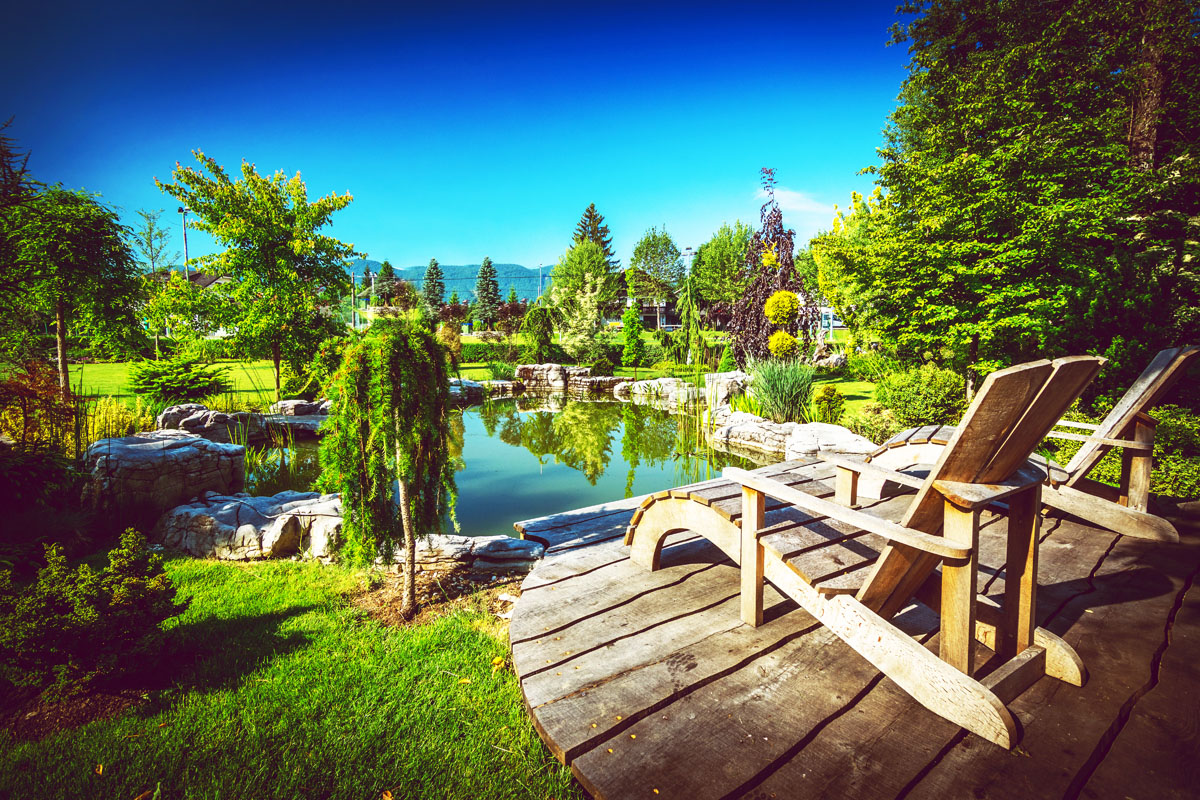





 The water hyacinth are popular options for floating plants. It is a species that’ annual in colder areas of North America, but in warmer regions it is perennial. They can produce blue or purple flowers, with roots forming a ‘nest’ compacted under them. They provide an excellent filtering system to remove excess nutrients.
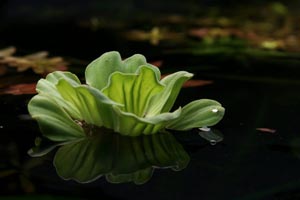 This is another free floating plant that is popular. Water lettuce is more warm/tropic climate plant which develops compact leaf clusters above the surface, while developing compact root mass under the plant.
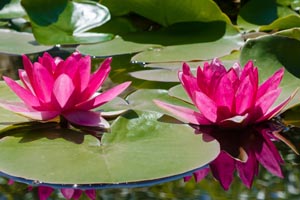 With floating plants that have attached roots, water lilies are the most popular option for a koi pond owner, and can be the best option from any type of aquatic plant. The water lilies do good in nearly any region of North America, no matter the season and are able to be potted and positioned at the bottom of ponds. Above the surface, pond owners get a view of pleasant leafy coverage that produces beautiful flowers to accent any pond design.
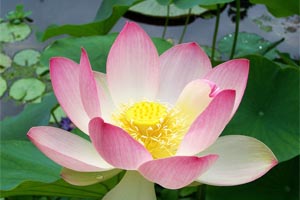 With a similar appearance to water lilies, a lotus is among the oldest aquatic plants cultivated, making an excellent part to a koi pond. Usually, their leaves are large, and can measure up to 18-inches across. This provides a great amount of shade for koi during summer months. Commonly confused with the water lilies, a lotus flower is fragrant and beautiful. Although, it needs to be noted that lotus flowers do have substantial growth rates, and best for a larger koi pond.
 The water poppy produces smaller oval leaves with yellow flowers. They are a good option for a koi pond and grow rather fast during summer. It can provide a nice yellow accent to ponds, while providing a filtering system.
 Another favorite for koi pond owners is the water iris, as there are several pieces to choose from. They provide a long sharp leaf, and based on the species can produce different color flowers, from white, blue, or yellow. Typically, these plants are placed in pots which are submerged in the water. The majority of water iris will survive in partial or full sun, which is good for those that have tree coverage.
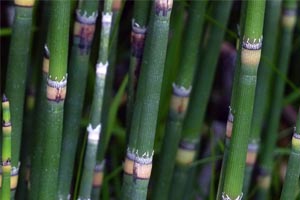 This is aplant that is quick to grow and produces slender green stems. It’s best positioned on a peripheral section of a pond, doing best in partial shade.